NEETPGAI
FeaturesBlogComparePricing
Log inStart Free
NEETPGAI

AI-powered NEET PG preparation platform. Master all 19 subjects with adaptive MCQs, AI tutoring, and spaced repetition.

Product

  • Features
  • Subjects
  • Previous Year Questions
  • Compare
  • Pricing
  • Blog

Features

  • Adaptive MCQ Practice
  • AI Tutor
  • Mock Tests
  • Spaced Repetition

Resources

  • Blog
  • Study Guides
  • NEET PG Updates
  • Contact & support

Legal

  • Privacy Policy
  • Terms of Service

Stay updated

© 2026 NEETPGAI. All rights reserved.
    PYQs/2025/Q125
    Verified answer (AI cross-checked + SME reviewed)

    Q125 (2025, Arthritis) — Correct answer: A. MRI of the sacroiliac joints.

    NEET PG 2025
    Q125
    bone Orthopedics
    Arthritis
    tier-2 (3/3 verifier agreement)
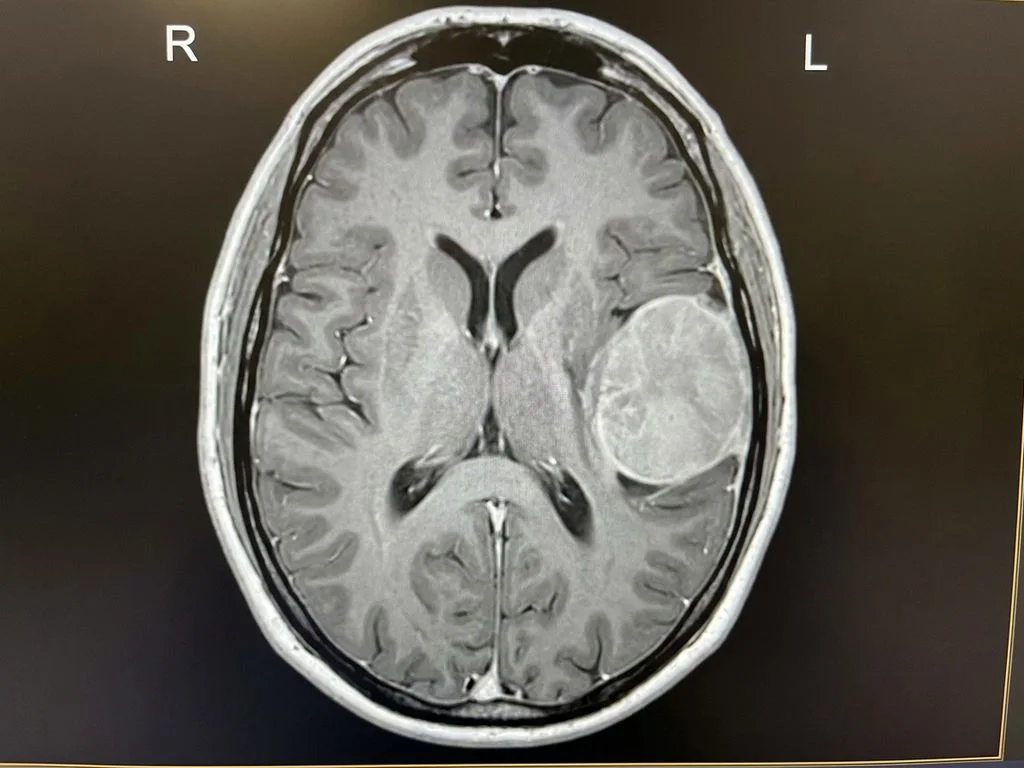
    Clinical image for NEET PG 2025 Q125

    Q. A 27-year-old individual presents with chronic lower back pain that improves with physical activity and is associated with early morning stiffness. There is a past history of anterior uveitis. A recent X-ray of the sacroiliac joints appears normal. What is the most appropriate next step in evaluation?

    A. MRI of the sacroiliac joints
    B. Anti-CCP antibody testing
    C. CT scan of the sacroiliac joints
    D. Repeat plain radiograph

    Correct Answer: A. MRI of the sacroiliac joints

    This case presents the classic triad of axial spondyloarthritis (axSpA): chronic inflammatory back pain (improves with activity, not rest), early morning stiffness, and anterior uveitis (extra-articular manifestation). The key discriminator is that plain radiographs of the sacroiliac joints are normal, yet clinical suspicion for spondyloarthritis remains high. According to ASAS (Assessment of Spondyloarthritis International Society) criteria and Indian rheumatology practice, MRI is the gold standard for detecting early sacroiliitis before radiographic changes appear. MRI can demonstrate bone marrow edema, inflammatory changes, and erosions in the sacroiliac joints 6–12 months before plain X-rays show abnormalities. This is particularly important in early disease (non-radiographic axSpA) where imaging confirmation is essential for diagnosis and initiating TNF-α inhibitor therapy. In the Indian context, early diagnosis prevents irreversible spinal fusion and functional disability. MRI sensitivity for sacroiliitis is >90%, making it the appropriate next investigation when clinical suspicion is high but radiographs are negative.

    Why the other options are wrong

    B. Anti-CCP antibody testing — Anti-CCP is specific for rheumatoid arthritis, not spondyloarthritis. The clinical presentation (inflammatory back pain, uveitis, normal sacroiliac X-rays) is inconsistent with RA. This is an NBE trap pairing 'arthritis' with 'serology' without considering the clinical phenotype. Spondyloarthritis is typically seronegative (RF and anti-CCP negative). C. CT scan of the sacroiliac joints — CT has higher radiation burden than MRI and is not superior for detecting early inflammatory changes. CT is better for detecting structural damage (erosions, sclerosis) in advanced disease, but MRI is preferred for early detection of bone marrow edema and inflammation. CT is reserved when MRI is contraindicated or when assessing advanced structural damage. D. Repeat plain radiograph — Repeating plain radiographs when the initial film is normal is wasteful and delays diagnosis. Plain X-rays have low sensitivity (~70%) for early sacroiliitis and may remain normal for months despite active inflammation. MRI should be the next step to confirm inflammation, not another plain film.

    High-Yield Facts

    • Non-radiographic axSpA presents with inflammatory back pain and normal plain radiographs; MRI detects bone marrow edema 6–12 months before radiographic changes.
    • ASAS criteria for axSpA diagnosis require imaging evidence (MRI showing sacroiliitis or plain X-ray showing bilateral grade ≥2 sacroiliitis) plus ≥1 SpA feature (uveitis, psoriasis, IBD, HLA-B27+, family history, good response to NSAIDs).
    • MRI sensitivity >90% for sacroiliitis; plain X-ray sensitivity ~70% and specificity lower in early disease.
    • Anterior uveitis is the most common extra-articular manifestation of spondyloarthritis (occurs in 25–30% of axSpA patients).
    • TNF-α inhibitors are indicated in axSpA once imaging confirms sacroiliitis, even if radiographs are normal (non-radiographic disease).

    Mnemonics

    ASAS Imaging for axSpA MRI first if clinical suspicion high + normal X-rays (detects early inflammation). X-ray sufficient if bilateral grade ≥2 sacroiliitis already visible. Use: When deciding imaging in suspected early spondyloarthritis. SpA Extra-Articular Triad UPE = Uveitis, Psoriasis, Enteropathy (IBD). Anterior uveitis is the hallmark ocular manifestation. Use: To recall systemic features that guide diagnosis when sacroiliac imaging is equivocal.

    NBE Trap

    NBE pairs 'arthritis' + 'serology' (Anti-CCP) to trap students who confuse spondyloarthritis with rheumatoid arthritis. The key discriminator is the clinical phenotype (inflammatory back pain, uveitis, seronegative) and the imaging strategy (MRI for early inflammation, not antibody testing).

    Clinical Pearl

    In Indian rheumatology practice, early diagnosis of non-radiographic axSpA via MRI is critical because delayed TNF-α inhibitor initiation leads to irreversible spinal fusion and disability. Many Indian patients present late with advanced radiographic disease; catching non-radiographic disease on MRI prevents this trajectory and improves long-term functional outcomes.

    _Reference: Harrison Ch. 328 (Spondyloarthritis); Robbins Ch. 26 (Inflammatory Joint Disease); ASAS Classification Criteria for Axial Spondyloarthritis_

    Ask AI Tutor about this question

    Stuck on a distractor? Want a worked-through clinical scenario? The AI Tutor is a NEETPGAI Pro feature — sign up free to practice the full question bank, then unlock the AI Tutor when you're ready.

    Explain this concept in plain language
    Why is each wrong option wrong?
    Give me a clinical scenario where this is tested
    Sign up free Already have an account? Log in

    Free to start, no credit card required. The 3 prompts/day quota is shared with practice + tutor + deep-dive across NEETPGAI.

    Memory-based reconstruction

    NBE does not officially release NEET PG papers per the 2025 Supreme Court directive. This question was reconstructed from 1 community source: Diginerve NEET PG 2025 Recall PDF (200 Qs + answers). Cross-verified by Claude Haiku 4.5 + Gemini 2.5 Flash + community-aggregate vote, then reviewed by a practising medical SME.

    ← All NEET PG 2025 questionsPractice with AI Tutor →