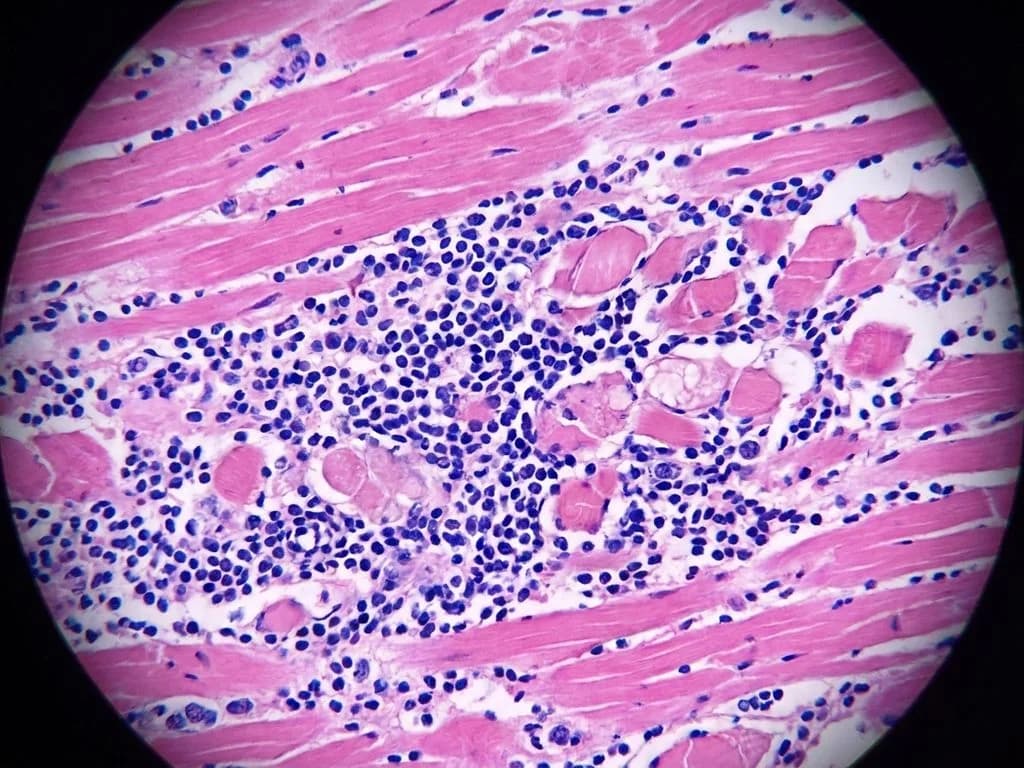
Correct Answer: A. Lymphocytic myocarditis
Lymphocytic myocarditis is the most common form of acute myocarditis in children, characterized by lymphocytic infiltration of the myocardium on histology. The clinical presentation—fever, fatigue, and left ventricular dysfunction in a 5-year-old—is classic for acute viral myocarditis, which typically follows an upper respiratory or gastrointestinal viral infection by 1–2 weeks. The endomyocardial biopsy showing lymphocytic infiltration (predominantly CD8+ T cells and macrophages) with myocyte necrosis is pathognomonic. In India, viral myocarditis (especially enterovirus, adenovirus, and parvovirus B19) is the leading cause of acute myocarditis in children. The acute presentation with systemic symptoms and acute heart failure distinguishes this from chronic inflammatory conditions. Lymphocytic myocarditis can range from fulminant (cardiogenic shock) to subclinical forms; this child's LV dysfunction indicates significant myocardial involvement. Diagnosis is confirmed by biopsy showing lymphocytic infiltration without significant fibrosis (unlike chronic myocarditis) and absence of granulomas or parasites.
Why the other options are wrong
B. Chagas disease — Chagas myocarditis (caused by Trypanosoma cruzi) is endemic in Central/South America, not India. While it can cause myocarditis with LV dysfunction, the biopsy would show parasites within myocytes or amastigotes, not pure lymphocytic infiltration. Additionally, Chagas is rare in Indian pediatric practice and typically presents with chronic cardiomyopathy, not acute fever and dysfunction. C. Pyogenic myocarditis — Pyogenic (bacterial) myocarditis is rare and usually occurs secondary to bacterial sepsis, endocarditis, or direct myocardial abscess formation. Histology would show neutrophilic infiltration with microabscesses and bacterial organisms, not lymphocytic infiltration. The acute presentation with fever and LV dysfunction without signs of sepsis or endocarditis makes this unlikely. D. Acute rheumatic fever — ARF presents with carditis (pancarditis—endocarditis, myocarditis, pericarditis), but the biopsy findings differ: ARF myocarditis shows Aschoff bodies (pathognomonic granulomas with central fibrinoid necrosis and Anitschkow cells), not pure lymphocytic infiltration. ARF typically follows Group A Streptococcal pharyngitis by 2–3 weeks and presents with polyarthritis, erythema marginatum, or chorea—not isolated fever and LV dysfunction.
High-Yield Facts
- Lymphocytic myocarditis is the most common form of acute myocarditis in children; typically viral (enterovirus, adenovirus, parvovirus B19) in India.
- Endomyocardial biopsy shows lymphocytic infiltration (CD8+ T cells, macrophages) with myocyte necrosis without granulomas or parasites.
- Clinical presentation: fever, fatigue, dyspnea, chest pain, and acute LV dysfunction within 1–2 weeks of viral prodrome.
- Aschoff bodies (granulomas with fibrinoid necrosis) distinguish ARF myocarditis from lymphocytic myocarditis on biopsy.
- Fulminant myocarditis can present with cardiogenic shock; supportive care and immunosuppression (in selected cases) are mainstays of treatment.
Mnemonics
VIRAL MYOCARDITIS PRESENTATION Fever → Acute → Systemic → Trophy (LV dysfunction) → Endomyocardial biopsy shows Lymphocytes. Use when a child presents with acute-onset fever and heart failure. BIOPSY FINDINGS: ARF vs VIRAL ARF = Aschoff bodies (granulomas); VIRAL = Lymphocytes only. Quick discriminator: if you see Aschoff bodies, it's ARF; if pure lymphocytic infiltration, it's viral myocarditis.
NBE Trap
NBE may pair acute myocarditis with ARF to trap students who conflate the two conditions. The key discriminator is biopsy histology: Aschoff bodies point to ARF, while pure lymphocytic infiltration indicates viral myocarditis. Additionally, the absence of polyarthritis, erythema marginatum, or preceding pharyngitis makes ARF less likely.
Clinical Pearl
In Indian pediatric practice, viral myocarditis is often missed because fever and fatigue are attributed to simple viral illness; always check troponin and echocardiography in children with prolonged fever and dyspnea. Fulminant cases may require ICU support and even mechanical circulatory support, making early recognition critical.
_Reference: Robbins Ch. 12 (Myocarditis); Harrison Ch. 295 (Myocarditis and Cardiomyopathies); OP Ghai Ch. 7 (Pediatric Cardiology)_