
NEETPGAI
FeaturesBlogComparePricing
Log inStart Free
NEETPGAI

AI-powered NEET PG preparation platform. Master all 19 subjects with adaptive MCQs, AI tutoring, and spaced repetition.

Product

  • Features
  • Subjects
  • Previous Year Questions
  • Compare
  • Pricing
  • Blog

Features

  • Adaptive MCQ Practice
  • AI Tutor
  • Mock Tests
  • Spaced Repetition

Resources

  • Blog
  • Study Guides
  • NEET PG Updates
  • Contact & support

Legal

  • Privacy Policy
  • Terms of Service

Stay updated

© 2026 NEETPGAI. All rights reserved.
    PYQs/2021/Q200
    Verified answer (AI cross-checked + SME reviewed)

    Q200 (2021, Urology) — Correct answer: D. Putty kidney.
    NEET PG 2021
    Q200
    scissors Surgery
    Urology
    tier-2 (3/3 verifier agreement)
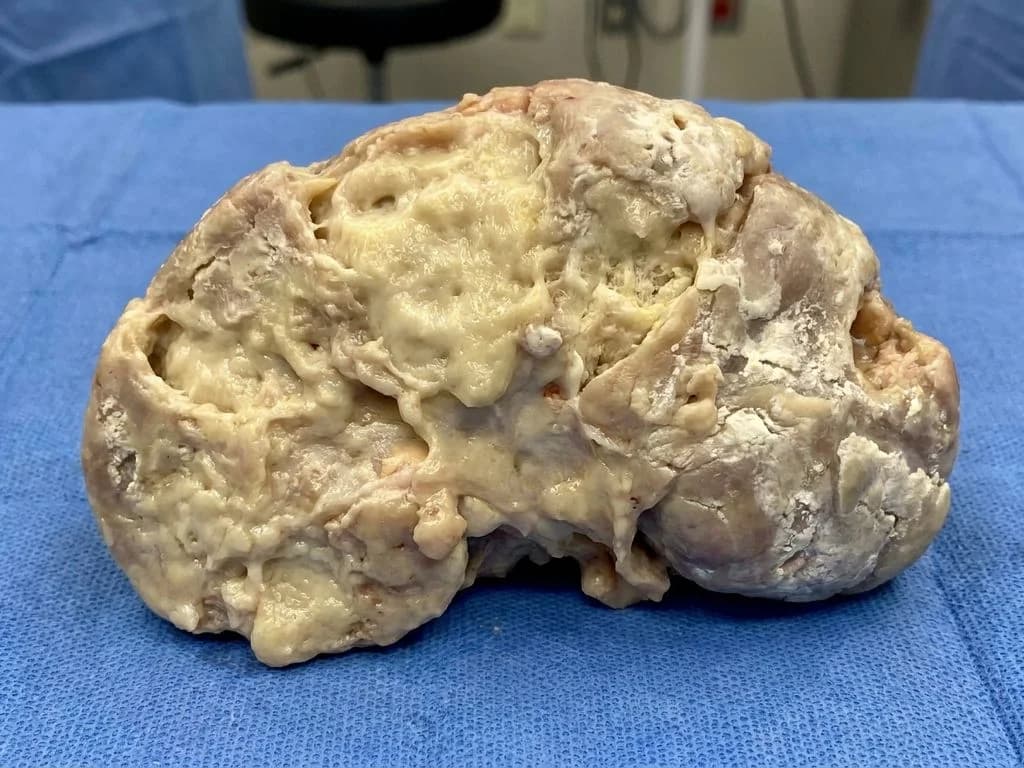
    Clinical image for NEET PG 2021 Q200

    In a patient with abdominal pain and sterile pyuria, what is the finding shown in the image given?

    A. Staghorn calculus
    B. Nephrocalcinosis
    C. La d Psoas calcification
    D. Putty kidney

    Correct Answer: D. Putty kidney

    Putty kidney (also called "granular kidney" or "tuberculous kidney") is the end-stage renal tuberculosis characterized by extensive caseous necrosis, fibrosis, and calcification of the renal parenchyma, resulting in a non-functioning kidney with a putty-like consistency. The clinical presentation of sterile pyuria (pus in urine without bacterial growth on standard culture) is pathognomonic for renal TB, as the causative organism Mycobacterium tuberculosis requires special culture media (Löwenstein-Jensen medium) and is not detected on routine bacterial cultures. On imaging (plain radiograph or CT), putty kidney shows a shrunken, calcified kidney with loss of normal architecture—the entire organ appears as a calcified mass. The sterile pyuria combined with abdominal/flank pain in the context of TB-endemic India (high prevalence of extrapulmonary TB) and the radiological finding of a calcified, non-functioning kidney makes putty kidney the diagnosis. This represents the final stage of tuberculous pyelonephritis and typically requires nephrectomy as the kidney is non-functional and a potential source of infection.

    Why the other options are wrong

    A. Staghorn calculus — Staghorn calculus is a branching stone that fills the renal pelvis and calyces, typically associated with recurrent UTIs caused by urease-producing bacteria (Proteus, Klebsiella). It presents with bacterial pyuria and positive urine culture, not sterile pyuria. The imaging shows a branching radiopaque stone, not diffuse renal calcification. Staghorn calculi are more common in males with obstructive uropathy, not TB. B. Nephrocalcinosis — Nephrocalcinosis refers to calcium deposition within the renal parenchyma (medullary or cortical) due to hypercalcemia, hyperparathyroidism, renal tubular acidosis, or chronic pyelonephritis. It typically shows bilateral, symmetric calcification in the medullary pyramids. Unlike putty kidney, nephrocalcinosis does not present with sterile pyuria and does not show the characteristic shrunken, non-functioning kidney with complete loss of renal architecture seen in TB. C. La d Psoas calcification — Psoas calcification (or psoas abscess calcification) is calcification of the psoas muscle, typically secondary to spinal TB (Pott's disease). While it can occur in TB patients, it is a separate entity from renal pathology and would not directly cause sterile pyuria. The clinical presentation and imaging findings described (calcified kidney with loss of function) are characteristic of renal TB, not psoas involvement.

    High-Yield Facts

    • Sterile pyuria (pus without bacterial growth on routine culture) is pathognomonic for renal tuberculosis and requires special culture media (Löwenstein-Jensen) for M. tuberculosis isolation.
    • Putty kidney is end-stage renal TB with complete caseous necrosis, fibrosis, and calcification resulting in a non-functioning, shrunken kidney requiring nephrectomy.
    • Imaging findings in putty kidney: diffuse renal calcification, loss of normal renal architecture, shrunken kidney on CT/plain radiograph (not branching stone pattern).
    • Incidence of renal TB in India: 10–15% of all TB cases have genitourinary involvement; renal TB is the most common site of extrapulmonary TB.
    • Management of putty kidney: nephrectomy is indicated as the kidney is non-functional and a persistent source of infection and potential malignancy risk.

    Mnemonics

    PUTTY KIDNEY = TB End-Stage Pus without bacteria (sterile pyuria) → Urinary TB → Tuberculous → Terminology (putty = non-functioning) → Y (yes, needs nephrectomy). Sterile pyuria is the red flag that screams TB, not bacterial infection. Renal TB Stages (CUFF) Caseous (early parenchymal TB) → Ulceration (into collecting system) → Fibrosis (scarring) → Final (putty kidney, non-functioning). Each stage worsens; putty is the end.

    NBE Trap

    NBE pairs "sterile pyuria" with common stone disease (staghorn calculus) to trap students who reflexively link pyuria to bacterial UTI. The discriminator is the word "sterile"—this single word shifts the diagnosis entirely from stone/bacterial infection to TB.

    Clinical Pearl

    In India, any patient presenting with flank pain, sterile pyuria, and constitutional symptoms (fever, weight loss) should raise suspicion for renal TB until proven otherwise. Putty kidney is often discovered late because sterile pyuria is frequently missed on routine urinalysis, and the diagnosis requires high clinical suspicion and special mycobacterial culture techniques.

    _Reference: Bailey & Love Ch. 76 (Urinary Tuberculosis); Harrison Ch. 125 (Tuberculosis); KD Tripathi Ch. 47 (Antituberculous drugs and TB pathology)_

    Ask AI Tutor about this question

    Stuck on a distractor? Want a worked-through clinical scenario? The AI Tutor is a NEETPGAI Pro feature — sign up free to practice the full question bank, then unlock the AI Tutor when you're ready.

    Explain this concept in plain language
    Why is each wrong option wrong?
    Give me a clinical scenario where this is tested
    Sign up free Already have an account? Log in

    Free to start, no credit card required. The 3 prompts/day quota is shared with practice + tutor + deep-dive across NEETPGAI.

    Memory-based reconstruction

    NBE does not officially release NEET PG papers per the 2025 Supreme Court directive. This question was reconstructed from 1 community source: PrepLadder NEET PG 2021 Recall PDF. Cross-verified by Claude Haiku 4.5 + Gemini 2.5 Flash + community-aggregate vote, then reviewed by a practising medical SME.

    ← All NEET PG 2021 questionsPractice with AI Tutor →