
NEETPGAI
FeaturesBlogComparePricing
Log inStart Free
NEETPGAI

AI-powered NEET PG preparation platform. Master all 19 subjects with adaptive MCQs, AI tutoring, and spaced repetition.

Product

  • Features
  • Subjects
  • Previous Year Questions
  • Compare
  • Pricing
  • Blog

Features

  • Adaptive MCQ Practice
  • AI Tutor
  • Mock Tests
  • Spaced Repetition

Resources

  • Blog
  • Study Guides
  • NEET PG Updates
  • Contact & support

Legal

  • Privacy Policy
  • Terms of Service

Stay updated

© 2026 NEETPGAI. All rights reserved.
    PYQs/2020/Q91
    Verified answer (AI cross-checked + SME reviewed)

    Q91 (2020, Obstetrics) — Correct answer: D. Pre-gestational diabetes.
    NEET PG 2020
    Q91
    baby OBG
    Obstetrics
    tier-2 (3/3 verifier agreement)
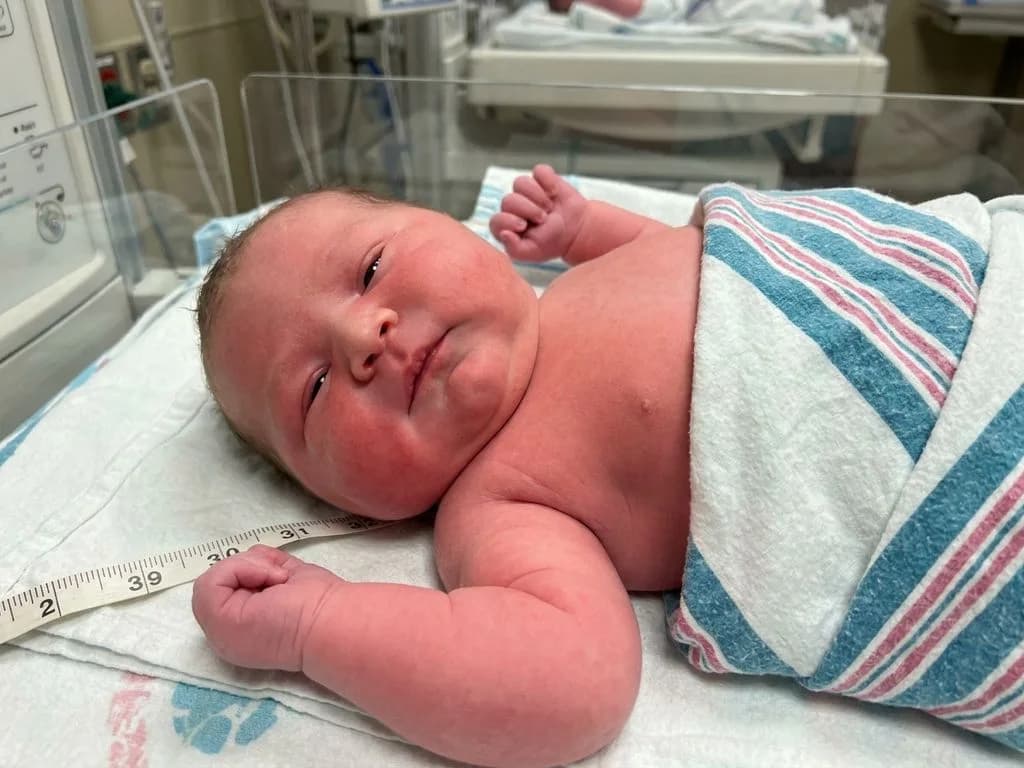
    Clinical image for NEET PG 2020 Q91

    Identify the maternal condition that can lead to the findings in the baby as shown below: La d

    A. Effect of valproate
    B. Hypertensive of ACE inhibitors
    C. Gestational diabetes mellitus
    D. Pre-gestational diabetes

    Correct Answer: D. Pre-gestational diabetes

    Pre-gestational diabetes (Type 1 or Type 2 diabetes diagnosed before pregnancy) causes a characteristic constellation of neonatal findings collectively termed Infant of Diabetic Mother (IDM) syndrome. The hyperglycemic intrauterine environment triggers fetal hyperinsulinemia, leading to macrosomia, hypoglycemia (within 1–2 hours of birth due to sudden loss of maternal glucose supply), hypocalcemia, hypomagnesemia, and polycythemia. Pre-gestational diabetes carries significantly higher teratogenic risk than gestational diabetes because maternal hyperglycemia is present during organogenesis (first trimester), resulting in increased congenital anomalies (cardiac defects, sacral agenesis, caudal regression syndrome). The metabolic derangements in IDM are more severe and earlier in onset compared to infants of mothers with gestational diabetes. Poor glycemic control in the first trimester (HbA1c >8%) is the key risk factor. Indian guidelines (FOGSI, IAP) emphasize tight periconceptional glycemic control (target HbA1c <6.5%) to reduce both congenital anomalies and neonatal complications. The clinical presentation—severe hypoglycemia, respiratory distress, and characteristic appearance—is pathognomonic for pre-gestational diabetes exposure.

    Why the other options are wrong

    A. Effect of valproate — Valproate is a teratogen causing fetal valproate syndrome (neural tube defects, developmental delay, characteristic facial features), but does NOT cause the acute metabolic derangements (hypoglycemia, hypocalcemia, polycythemia) or macrosomia seen in IDM. Valproate effects are structural/neurological, not metabolic. The neonatal presentation differs entirely. B. Hypertensive effect of ACE inhibitors — ACE inhibitors in pregnancy cause fetal renal dysgenesis, oligohydramnios, and neonatal renal failure (second/third trimester exposure), not the metabolic complications of IDM. They do not cause macrosomia, hypoglycemia, or polycythemia. The clinical picture is renal/hypertensive, not metabolic. C. Gestational diabetes mellitus — While gestational diabetes can cause macrosomia and mild neonatal hypoglycemia, it does NOT cause the severe early-onset hypoglycemia, hypocalcemia, hypomagnesemia, or increased congenital anomalies (sacral agenesis, caudal regression) seen with pre-gestational diabetes. GDM develops only in the second/third trimester, sparing organogenesis; pre-gestational diabetes affects the critical first trimester.

    High-Yield Facts

    • IDM syndrome presents with hypoglycemia (within 1–2 hours), macrosomia, respiratory distress, hypocalcemia, and polycythemia.
    • Pre-gestational diabetes (not GDM) causes congenital anomalies: sacral agenesis, caudal regression, cardiac defects due to first-trimester hyperglycemia.
    • Fetal hyperinsulinemia (response to maternal hyperglycemia) drives macrosomia, hypoglycemia, and polycythemia in IDM.
    • HbA1c >8% in first trimester is the key risk factor for congenital anomalies; target periconceptional HbA1c <6.5% per FOGSI guidelines.
    • Gestational diabetes (onset ≥20 weeks) causes macrosomia but NOT congenital anomalies or severe neonatal metabolic derangements.

    Mnemonics

    IDM Complications (CHAMP) Cardiac defects (pre-gestational) / Hyperglycemia → hypoglycemia / Anomalies (sacral agenesis) / Macrosomia / Polycythemia. Use when recalling neonatal findings in IDM. Pre-gestational vs GDM (FIRST) First trimester anomalies (pre-gestational only) / Insulin-dependent (Type 1 pre-gestational) / Resistance (Type 2 pre-gestational) / Severe neonatal complications / Teratogenic risk. Discriminates pre-gestational from GDM.

    NBE Trap

    NBE pairs gestational diabetes with macrosomia to lure students into choosing GDM; however, the presence of congenital anomalies (sacral agenesis, caudal regression) and severe early-onset hypoglycemia is pathognomonic for pre-gestational diabetes, not GDM. The key discriminator is first-trimester teratogenic exposure.

    Clinical Pearl

    In Indian obstetric practice, pre-gestational diabetes (especially Type 2, increasingly common in urban populations) is often undiagnosed at conception; tight glycemic control from the first antenatal visit can reduce congenital anomalies by 50–70%. Neonates born to mothers with pre-gestational diabetes require immediate bedside glucose monitoring and dextrose infusion to prevent seizures from severe hypoglycemia.

    _Reference: DC Dutta's Textbook of Obstetrics Ch. 23 (Diabetes in Pregnancy); IAP Guidelines on Neonatal Hypoglycemia; FOGSI Consensus on Preconception Counseling in Diabetes_

    Ask AI Tutor about this question

    Stuck on a distractor? Want a worked-through clinical scenario? The AI Tutor is a NEETPGAI Pro feature — sign up free to practice the full question bank, then unlock the AI Tutor when you're ready.

    Explain this concept in plain language
    Why is each wrong option wrong?
    Give me a clinical scenario where this is tested
    Sign up free
    Memory-based reconstruction

    NBE does not officially release NEET PG papers per the 2025 Supreme Court directive. This question was reconstructed from 1 community source: PrepLadder NEET PG 2020 Recall PDF. Cross-verified by Claude Haiku 4.5 + Gemini 2.5 Flash + community-aggregate vote, then reviewed by a practising medical SME.

    ← All NEET PG 2020 questionsPractice with AI Tutor →
    Already have an account? Log in

    Free to start, no credit card required. The 3 prompts/day quota is shared with practice + tutor + deep-dive across NEETPGAI.